
Psychic Phenomena
When psychical research and analytic philosophy shared Cambridge
Cambridge, home of analytic philosophy, was also a hotbed of psychical research. How did this spooky subject take root?, aeon.co reported. Paranormal Country has not confirmed it.
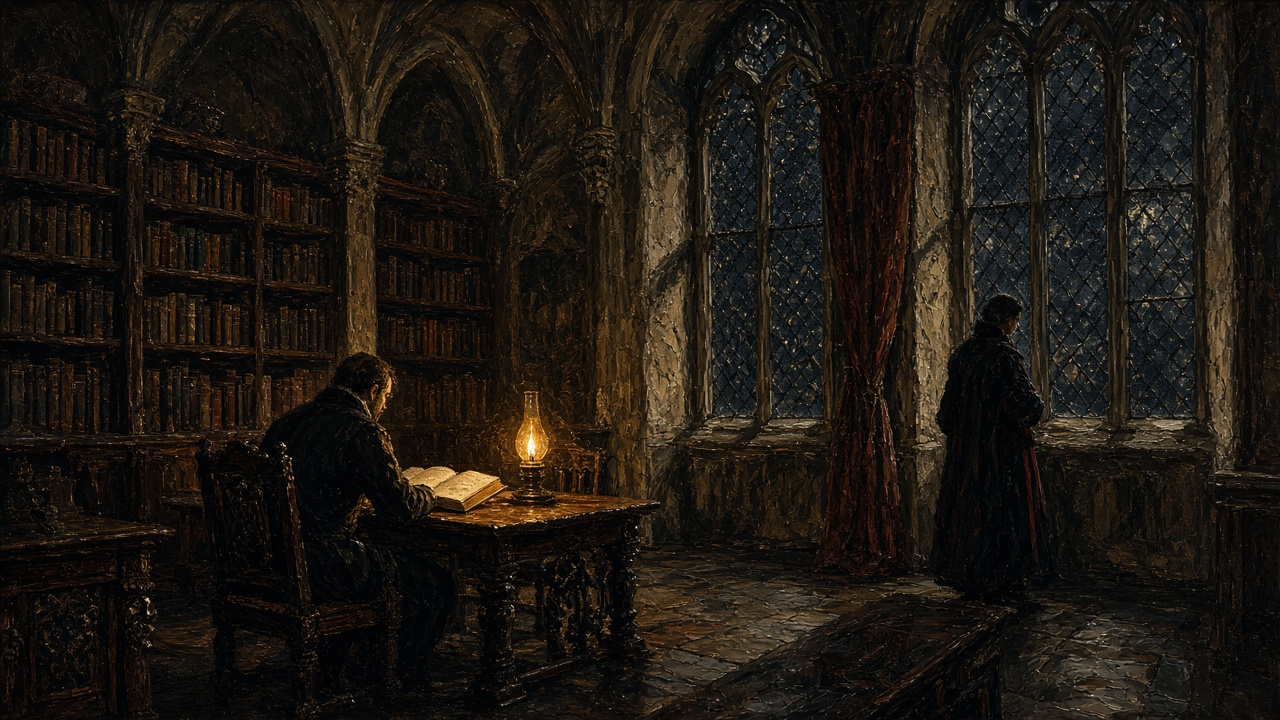
In a surprising intersection of disciplines, the realms of psychical research and analytic philosophy once coexisted within the storied halls of Cambridge University. This unusual convergence raises questions about how topics often deemed esoteric found a place alongside rigorous philosophical inquiry. A recent essay on Aeon explores this fascinating historical context, shedding light on figures like Alan Turing, who, despite being primarily recognized as the father of computer science, also entertained ideas that strayed into the paranormal.
Turing's seminal paper, 'Computing Machinery and Intelligence,' published in 1950, is particularly noteworthy for its exploration of concepts such as extra-sensory perception (ESP). In it, Turing mentions phenomena like telepathy, clairvoyance, precognition, and psychokinesis, suggesting that these unsettling ideas challenge conventional scientific understanding. He even posits that acceptance of telepathy could lead one to consider the existence of ghosts and other supernatural entities. This assertion is striking, given Turing's stature in the scientific community and the paper's focus on the nature of intelligence.
The essay highlights how, during the early to mid-20th century, Cambridge was not just a hub for analytic philosophy but also a fertile ground for psychical research. Scholars and thinkers engaged with ideas that today might be relegated to fringe discussions. The blending of these two fields invites speculation about the intellectual climate of the time and the openness to exploring phenomena that defy empirical validation.
The historical context provided in the Aeon piece suggests that the academic environment at Cambridge fostered an exploration of unconventional ideas. This was a period when the boundaries of science were being tested, and the implications of consciousness, intelligence, and the human experience were being rigorously debated. The essay prompts readers to consider how the acceptance of certain phenomena, even those that challenge the status quo, can lead to broader discussions about the nature of reality.
While the essay does not claim to provide definitive answers, it raises important questions about the relationship between scientific inquiry and the exploration of the unknown. The coexistence of psychical research and analytic philosophy at Cambridge serves as a reminder that intellectual curiosity can lead to unexpected intersections, even in fields that seem worlds apart.
The exploration of these themes invites further investigation into how contemporary thinkers might engage with similar questions today. As the boundaries of knowledge continue to expand, the dialogue between the rational and the mysterious remains as relevant as ever. Paranormal Country has not confirmed the claims made in the Aeon essay, but the historical narrative it presents opens the door to intriguing possibilities about the nature of thought and the unexplained.
Image: Paranormal Country · Source: aeon.co